
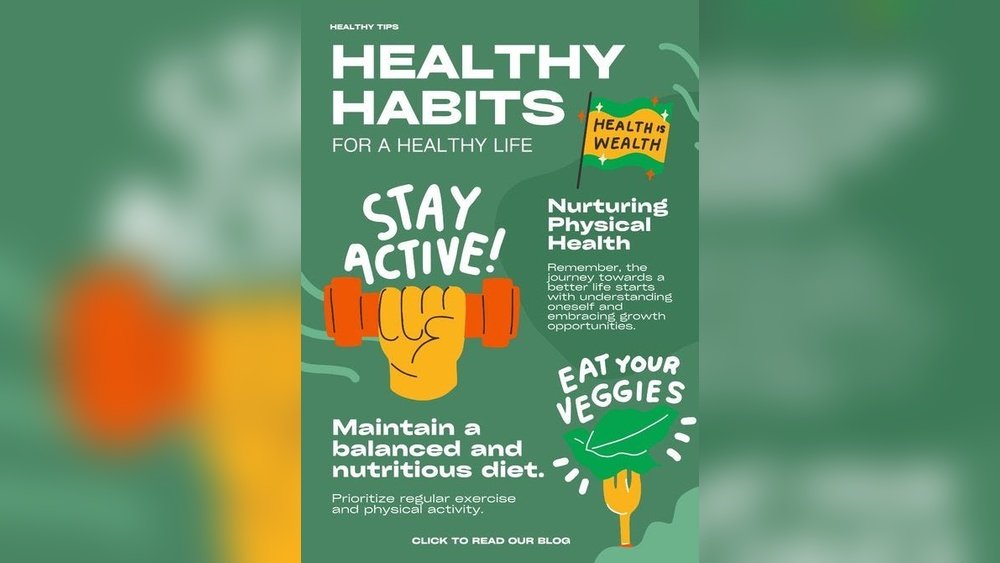
Sticking to healthy habits can feel tough, especially when life gets busy or motivation fades. You might start strong but find yourself slipping back into old routines.
What if you could discover simple ways to keep your good habits going day after day? Imagine feeling more energy, confidence, and control over your health without constant struggle. You’ll learn practical tips that make staying consistent easier than ever.
Ready to transform your habits and see real results? Let’s dive in.
Set Clear Goals
Setting clear goals is key to building healthy habits that last. Goals give your efforts direction and make your progress visible. They help you focus on what really matters and avoid distractions. Clear goals turn vague wishes into real actions.
Identify Specific Habits
Start by choosing habits that suit your lifestyle. Pick habits that are simple and easy to follow daily. For example, drinking water first thing in the morning or walking 10 minutes after lunch. Specific habits are easier to track and maintain over time.
Write down your habits clearly. This helps your brain remember and commit to them. Avoid broad goals like “eat healthy.” Instead, say “eat one fruit every day.” Specific habits give you a clear path to follow.
Create Measurable Targets
Set targets that show your progress in numbers. For example, “drink 8 glasses of water daily” or “walk 5,000 steps.” Measurable targets make success visible and motivate you to keep going.
Track your targets every day. Use a journal, app, or checklist. Seeing your progress helps you stay on track. It also helps you adjust your habits if needed. Measurable targets keep your goals real and achievable.
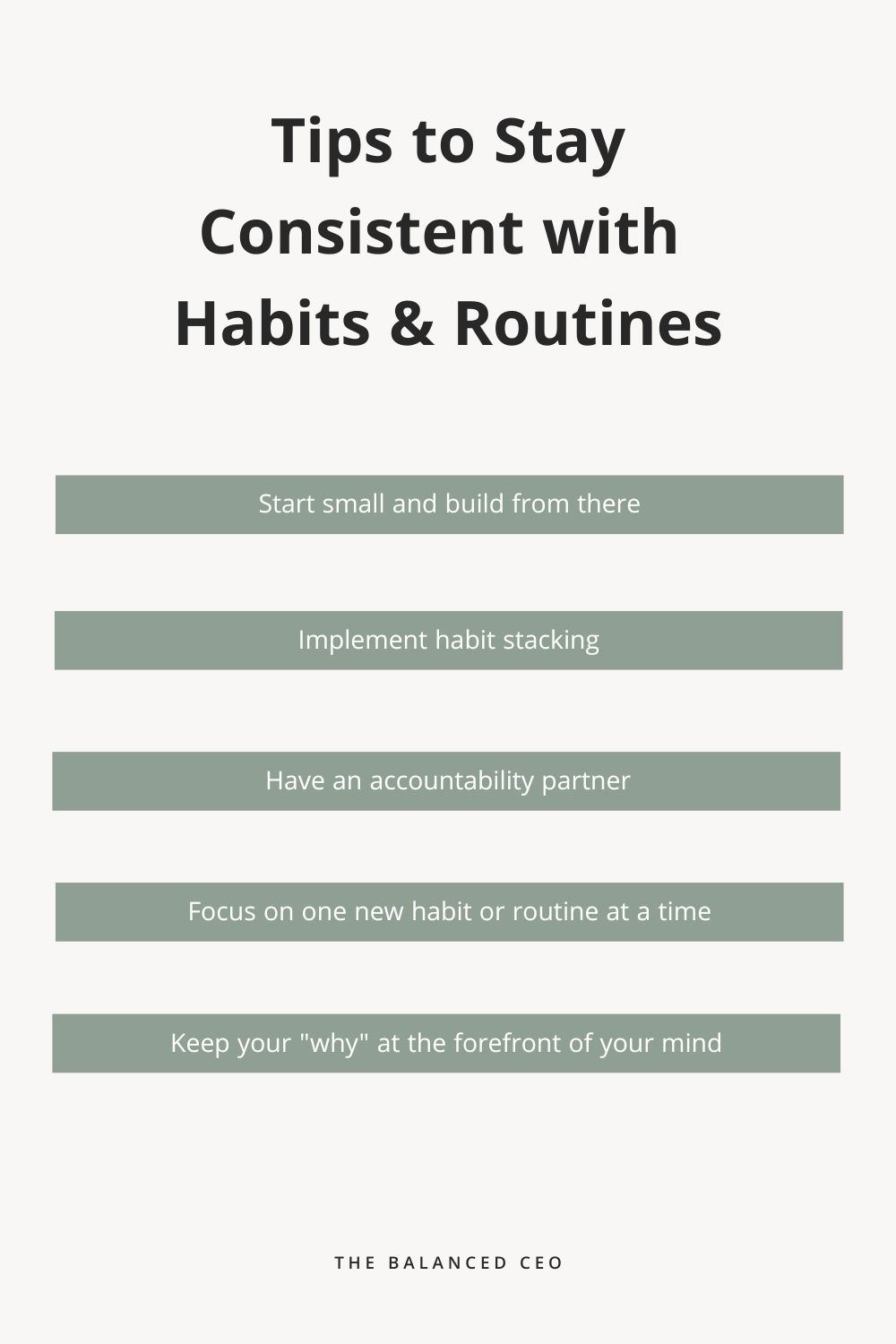
Credit: thebalancedceo.com
Build A Routine
Building a routine helps keep healthy habits steady. It turns actions into regular parts of your day. Creating a routine makes it easier to stick to your goals. It reduces guesswork and saves energy for important tasks.
Small, consistent steps add up over time. A clear routine forms a strong foundation for lasting health. It guides you through daily choices without much effort.
Choose A Daily Schedule
Pick a time that fits your lifestyle for each habit. Morning, afternoon, or evening—choose what feels natural. Consistency in timing builds a habit faster. Set reminders to help you remember your tasks. Start with one or two habits before adding more. A steady schedule prevents skipping and builds trust with yourself.
Use Habit Stacking
Connect new habits to existing ones for easy recall. For example, drink water right after brushing your teeth. This link helps your brain remember the new habit. Habit stacking saves time and builds momentum. It turns small actions into a chain of healthy choices. Use simple triggers to keep your routine smooth and effective.
Track Your Progress
Tracking your progress helps you stay on course with healthy habits. It shows how far you have come and what to improve. It keeps you motivated and focused on your goals. You can see patterns and adjust your routine easily. Consistent tracking makes healthy habits easier to maintain.
Use Journals Or Apps
Writing in a journal helps you record daily actions and feelings. It creates a clear history of your efforts. Apps can track steps, water intake, or meals automatically. They give reminders and show charts of your progress. Choose a method that fits your lifestyle and use it daily.
Celebrate Small Wins
Recognize even tiny achievements like drinking more water or exercising once. Small wins build confidence and keep you motivated. Celebrate by treating yourself with a rest day or a healthy snack. This positive reinforcement makes healthy habits enjoyable and easier to keep.

Credit: www.youtube.com
Manage Obstacles
Sticking to healthy habits is not always easy. Obstacles appear and try to stop progress. Managing these obstacles is key to staying consistent. Understanding what blocks your path helps you find solutions. This section explains how to handle challenges and keep your healthy routine on track.
Identify Triggers
Triggers are things that make you break your healthy habits. They can be stress, boredom, or certain places. Recognizing these triggers is the first step to managing them. Pay attention to moments when you feel tempted to quit. Write down what causes these feelings and situations. This awareness helps you avoid or prepare for them.
Develop Coping Strategies
After spotting triggers, create ways to deal with them. Find simple actions to replace bad habits. For example, take deep breaths when stressed instead of eating junk food. Plan activities to keep busy during boredom. Seek support from friends or family to stay motivated. Small changes can stop obstacles from ruining your progress.
Stay Motivated
Staying motivated is key to keeping healthy habits alive. Motivation drives action and helps you push through tough days. It keeps your focus clear and your energy high. Without motivation, habits can fade quickly.
Understanding what motivates you can make a big difference. Small rewards and positive thoughts also build strong motivation. These simple steps help you stay on track and enjoy the journey.
Find Your Why
Knowing your reason for healthy habits gives you power. Ask yourself why you want to be healthy. It could be for energy, confidence, or longer life. Keep this reason in mind every day. Write it down or say it out loud. Your why will remind you why the effort matters.
Use Positive Reinforcement
Reward yourself for small wins. Celebrate each step forward, no matter how small. Praise your effort and progress to build good feelings. Use treats like a favorite snack or a short break. Positive reinforcement makes habits fun and keeps you going.

Credit: rachaelsfirstweek.org
Seek Support
Seeking support makes sticking to healthy habits easier. Support helps keep you motivated and focused. It creates a sense of belonging and shared goals. This section explains ways to find support for your healthy lifestyle journey.
Join Communities
Communities bring people together with similar health goals. You can join groups online or in person. These groups share tips, challenges, and successes. Being part of a community reduces feelings of isolation.
Communities offer encouragement during tough times. They celebrate your progress and inspire you to keep going. In a group, you learn from others’ experiences. This shared knowledge helps you stay consistent.
Find Accountability Partners
An accountability partner checks on your progress regularly. This person can be a friend, family member, or coworker. Partners remind you of your goals and encourage you to stay on track.
Sharing your plans with someone creates responsibility. You feel more motivated to follow through. Partners can also join you in activities like workouts or meal planning. This teamwork makes healthy habits more enjoyable and easier to maintain.
Adjust And Adapt
Adjusting and adapting is key to keeping healthy habits alive. Life changes, and so do your needs. Staying flexible helps you stick to your goals over time. Small shifts can make a big difference.
Review And Reflect
Take time to check how your habits work. Think about what feels good and what feels hard. Notice if some habits need more time or less effort. Honest reflection shows the path forward. It keeps your habits real and useful.
Modify Habits As Needed
Change habits to fit your current life. Make small changes like shorter workouts or easier recipes. Adjusting helps avoid frustration and burnout. Keep habits simple and fun to follow. Adaptation keeps your healthy routine strong.
Frequently Asked Questions
How Can I Maintain Consistency In Healthy Habits?
Set clear goals and create a daily routine. Track progress and celebrate small wins. Avoid perfectionism and stay flexible to adapt.
What Are Simple Healthy Habits To Start Daily?
Drink water, eat fruits, walk 30 minutes, sleep 7-8 hours. These small changes build a strong foundation for health.
How Do I Stay Motivated To Keep Healthy Habits?
Remind yourself of benefits, use visual reminders, and join support groups. Motivation grows with accountability and positive reinforcement.
Why Do Healthy Habits Often Fail Over Time?
Lack of clear goals, unrealistic expectations, and no tracking cause failure. Consistency needs planning, patience, and self-compassion to succeed.
Conclusion
Staying consistent with healthy habits takes effort and patience. Small steps add up over time. Choose habits that feel right for you. Set clear goals and track your progress. Celebrate your wins, no matter how small. Remember, slip-ups are part of the process.
Keep going and don’t give up. Healthy habits become easier with practice. Your body and mind will thank you. Start today and enjoy a better tomorrow.