
Imagine waking up every day feeling energized, balanced, and truly healthy. What if the choices you make right now could build a lifestyle that supports your wellness not just for a moment, but for years to come?
Designing a life that nourishes your body, mind, and spirit isn’t about quick fixes or strict rules—it’s about creating habits that fit you and your unique needs. You’ll discover simple, practical steps to shape your daily routine in a way that keeps you thriving long term.
Ready to take control of your well-being and feel your best every single day? Let’s dive in.

Credit: www.saffronsageliving.com
Foundations Of Long-term Wellness
Building a lifestyle that supports long-term wellness starts with strong foundations. These foundations help keep your body and mind healthy over many years. They guide daily choices and habits that improve overall wellbeing. Understanding these basics makes it easier to create lasting health.
Core Principles Of Wellness
Wellness means more than just not being sick. It includes physical, mental, and emotional health. Key principles include regular activity, enough rest, and stress management. Consistency in these areas builds a strong base for wellness. Small daily actions add up to big results over time.
Balancing Physical And Mental Health
Physical and mental health work together. Exercise boosts mood and energy. Rest helps the brain recover and stay sharp. Mental health needs care like physical health. Practices like meditation and social time support mental balance. Both areas need attention for true wellness.
Role Of Nutrition And Hydration
Food fuels the body and brain. Balanced nutrition provides vitamins and minerals for health. Drinking water keeps the body working well. Dehydration can cause tiredness and poor focus. Eating a variety of foods and drinking enough water supports long-term wellness.
Creating Healthy Daily Habits
Creating healthy daily habits is the key to long-term wellness. Small actions build a strong foundation for good health. Consistency matters more than intensity. Daily routines shape your energy, mood, and focus.
Focus on habits that fit your life and feel natural. Choose simple changes you can keep every day. This approach helps your body and mind stay balanced.
Morning Routines For Energy
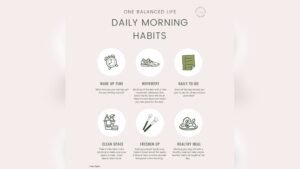
Start your day with habits that boost energy. Wake up at the same time each day. Drink a glass of water to hydrate your body. Stretch gently to wake up muscles. A short walk or light movement helps blood flow. Eat a healthy breakfast with protein and fruits. These steps fuel your body and mind for the day.
Incorporating Regular Exercise
Exercise improves health and mood. Aim for at least 30 minutes most days. Choose activities you enjoy, like walking, cycling, or dancing. Break exercise into short sessions if time is tight. Consistent movement strengthens your heart and muscles. It also helps control weight and reduce stress.
Mindfulness And Stress Management
Mindfulness helps calm your mind and body. Take a few minutes daily to breathe deeply. Focus on the present moment without judgment. Simple meditation or quiet time reduces stress. Manage stress by recognizing your feelings early. Healthy habits improve sleep and emotional health.
Designing Your Environment
Designing your environment plays a big role in long-term wellness. Your surroundings affect your mood, habits, and energy. A well-planned space supports healthy choices and reduces stress. Simple changes create a calm, positive place to live and grow.
Focus on your home, social circle, and digital life. Each area shapes your daily experience. Small, thoughtful steps help build a lifestyle that feels balanced and strong.
Organizing Your Living Space
Keep your living space neat and clutter-free. Clutter can cause stress and distraction. Use storage boxes and shelves to tidy up. Arrange items you use daily within easy reach. Clean spaces help clear your mind and boost focus.
Building A Supportive Social Network
Choose friends who encourage healthy habits. Spend time with positive and caring people. Join groups with similar wellness goals. Support from others makes good habits easier to keep. Avoid relationships that bring stress or negativity.
Minimizing Digital Distractions
Limit time spent on phones and computers. Turn off notifications during work and rest. Create tech-free zones in your home. Use apps that block distracting sites. Less screen time improves sleep and lowers stress levels.

Credit: www.ctcd.edu
Goal Setting And Motivation
Setting goals and keeping motivation high play a big role in creating a healthy lifestyle. Clear goals guide your actions and help you stay focused. Motivation keeps you moving forward, even when challenges arise.
Understanding how to set the right goals and track your progress makes wellness a steady journey, not a quick fix. Let’s explore ways to set goals, monitor your growth, and stay motivated over time.
Setting Realistic Wellness Goals
Choose goals that fit your life and abilities. Small, clear goals work better than vague or huge ones. For example, aim to walk 10 minutes daily, not run a marathon right away.
Realistic goals reduce frustration and boost confidence. They make success feel possible and keep you engaged.
Tracking Progress Effectively
Keep a simple log or use apps to track your wellness activities. Write down what you do and how you feel. This shows your growth and areas needing change.
Tracking helps you see your efforts clearly. It motivates you by showing real results, even small ones.
Staying Motivated Over Time
Celebrate small wins to keep your spirit high. Change your routine if it feels boring. Find friends or groups with similar goals for support.
Remember your reasons for starting. Visualize the benefits you want. Motivation grows when you connect your actions to your dreams.
Adapting To Life Changes
Life is full of changes. These changes can affect your health and wellness. Adapting to them helps you stay strong and healthy for a long time. It means changing your habits and plans as your life shifts. This keeps your wellness routine effective and realistic.
Adjusting Wellness Plans With Age
Your body needs change as you grow older. Exercise routines might need to be gentler. Eating habits may shift to support bone and heart health. Sleep patterns can also change. Adjusting your wellness plan helps your body get the care it needs. Simple changes can make a big difference over time.
Handling Stressful Life Events
Stressful times can harm your wellness. Events like job loss, illness, or loss of a loved one are tough. It is important to find healthy ways to cope. Activities like walking, talking to friends, or practicing meditation help reduce stress. Taking care of your mental health supports your overall wellness during hard times.
Maintaining Flexibility In Routines
Life rarely follows a perfect plan. Staying flexible with your routines keeps wellness goals alive. Allow room for changes in your schedule. Try new activities if old ones stop working. Flexibility helps you stay motivated and avoid burnout. It keeps your wellness journey balanced and realistic.

Credit: www.raveco.com
Tools And Resources For Wellness
Building a lifestyle for long-term wellness needs the right tools and resources. These tools help keep you on track and motivated every day. They guide you to make healthy choices easier. With the right support, wellness becomes a natural part of life.
Apps And Technology Aids
Smartphones offer many apps to support wellness goals. Fitness apps track steps, workouts, and calories. Meditation apps help reduce stress and improve focus. Sleep trackers monitor rest and suggest better habits. These tools provide reminders and progress reports. They make staying healthy simple and fun.
Books And Educational Materials
Reading about health boosts knowledge and confidence. Books explain nutrition, exercise, and mental health clearly. Guides and workbooks offer easy plans and tips. Learning new ideas helps change habits gradually. Choose simple, well-reviewed books for best results. Education builds a strong foundation for lasting wellness.
Professional Support And Coaching
Experts offer personalized advice and encouragement. Nutritionists create meal plans that suit your needs. Trainers design exercise routines that fit your lifestyle. Therapists help manage stress and emotional health. Coaches keep you motivated and accountable. Professional help guides your journey to wellness safely and effectively.
Frequently Asked Questions
What Are Key Habits For Long-term Wellness?
Key habits include balanced nutrition, regular exercise, quality sleep, stress management, and mindfulness. Consistency in these areas supports physical and mental health over time.
How Can I Create A Wellness-focused Daily Routine?
Start with set wake-up and sleep times, include nutritious meals, exercise, hydration, and relaxation breaks. Tailor activities to your needs for sustained wellness.
Why Is Mental Health Important In Lifestyle Design?
Mental health influences physical well-being, productivity, and relationships. Prioritizing it through mindfulness, social support, and stress reduction boosts overall long-term wellness.
How Does Nutrition Impact Long-term Wellness?
Proper nutrition fuels the body, supports immune function, and prevents chronic diseases. A balanced diet with whole foods is essential for sustained wellness.
Conclusion
Designing a lifestyle that supports long-term wellness takes time and effort. Small daily choices build healthy habits. Focus on balance in food, exercise, and rest. Listen to your body and mind carefully. Keep stress low and find joy in simple things.
Stay consistent, but allow room for change. Wellness is a journey, not a quick fix. Your health improves step by step. Start today and keep moving forward with care.