Do you ever feel drained before your day even really begins? Imagine waking up each morning with steady energy that lasts from start to finish.
Creating a balanced daily routine is the secret to unlocking this kind of lasting vitality. When you design your day with simple, intentional habits, you can boost your energy, improve your mood, and get more done without feeling overwhelmed. You’ll discover easy steps to build a daily routine that supports your body and mind, so you can feel energized and ready to take on anything.
Keep reading—your best, most energized self is just a routine away.
Credit: www.freedomrc.com
Benefits Of A Balanced Routine
A balanced daily routine can improve your life in many ways. It helps keep your body and mind healthy. When you have a set plan, your energy lasts longer. You feel less tired and more focused. A good routine supports your goals and reduces stress. Small daily habits build a strong foundation for well-being.
Improved Energy Levels
A balanced routine boosts your energy throughout the day. Regular sleep and meal times keep your body fueled. Exercise adds strength and stamina. Avoiding long periods of inactivity prevents sluggishness. This steady energy helps you stay productive and alert.
Better Mental Focus
Following a routine trains your brain to focus better. It reduces distractions and helps you finish tasks faster. Predictable habits lower anxiety and improve mood. Your mind becomes clearer and more organized. This clarity improves decision-making and problem-solving skills.
Enhanced Physical Health
Consistent daily habits support your physical health. Balanced meals and regular exercise strengthen your body. Scheduled rest allows your muscles to recover. Avoiding unhealthy habits reduces risks of illness. A healthy body supports a happy, active life.
Reduced Stress And Anxiety
A routine creates a sense of control and safety. Knowing what to expect eases worries and tension. Breaks and relaxation time prevent burnout. A calm mind improves sleep quality and mood. Lower stress leads to better overall health.
Better Time Management
Planning your day helps you use time wisely. You complete important tasks without rushing. Less wasted time means more free time. A good routine balances work, rest, and fun. This balance makes life feel more enjoyable and less chaotic.
Assessing Your Current Day
Start by looking closely at your current daily routine. Understanding how you spend your time helps find ways to improve energy. This step is important to create a balanced day that supports your health and productivity.
Take a few days to observe your activities and energy levels. Write down what you do and how you feel throughout the day. This simple habit gives clear insight into your daily patterns.
Tracking Energy Levels
Note the times when you feel most awake and alert. Also, mark moments when energy drops or fatigue sets in. Keeping a log helps spot patterns that affect your mood and work.
Use a scale from 1 to 10 to rate your energy every hour. This method makes it easy to track changes and identify the best times for important tasks.
Identifying Time Wasters
Look for activities that take time but give little value. These may include long social media use, unnecessary meetings, or distractions. Recognizing these helps reduce wasted hours.
Replace time wasters with activities that boost energy, like short walks or quick breaks. Small changes add up and improve your daily balance.
Setting Realistic Goals
Setting realistic goals is key to building a daily routine that boosts your energy. Clear goals guide your actions and keep your day focused. Unrealistic goals lead to stress and low energy. Simple, achievable targets help you stay motivated and active. This section explains how to set goals you can reach.
Prioritizing Tasks
Start by listing all your tasks for the day. Decide which tasks are most important or urgent. Focus on tasks that bring the most benefit first. Avoid spending time on less important activities early. Prioritizing helps you save energy and reduce overwhelm. It keeps your day structured and productive.
Allocating Time Blocks
Divide your day into blocks of time for specific tasks. Assign a clear start and end time to each block. This method keeps you focused and prevents tasks from dragging on. Time blocks reduce distractions and improve work flow. Short breaks between blocks help recharge your energy. Stick to your schedule to build steady momentum.
Incorporating Morning Habits
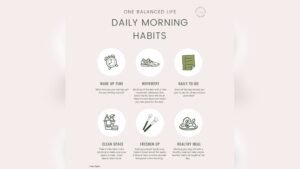
Starting your day with good habits can boost your energy for hours. Morning routines set the tone for the whole day. Small changes in the morning can lead to big energy gains. Focus on simple, effective steps that prepare your mind and body. Below are key habits to include in your morning routine.
Wake-up Strategies
Wake up at the same time every day. Consistency helps your body’s internal clock. Avoid hitting the snooze button. It makes you feel more tired. Open your curtains or turn on bright lights. Light signals your brain to wake up. Take a few deep breaths to refresh your mind. Drink a glass of water to rehydrate after sleep.
Energizing Activities
Move your body soon after waking. Stretching or light exercise wakes up muscles. A short walk or gentle yoga works well. Eat a healthy breakfast with protein and fiber. It keeps your energy steady. Avoid heavy, sugary foods that cause crashes. Spend a few minutes planning your day. Clear goals help you stay focused and motivated.
Planning Meals And Hydration
Planning meals and hydration is key to keeping energy levels steady throughout the day. Eating the right foods and drinking enough water supports your body and mind. It helps you avoid energy crashes and stay focused.
Proper meal timing and good hydration habits work together to improve how you feel. Simple changes in your daily routine can make a big difference in your energy and health.
Balanced Nutrition Tips
Include a mix of protein, healthy fats, and carbohydrates in every meal. This balance helps your body get steady energy. Choose whole grains, lean meats, nuts, and fresh fruits and vegetables. Avoid too much sugar and processed foods. Eating smaller meals more often can keep your energy stable. Plan meals ahead to avoid skipping or rushing.
Hydration Importance
Water is essential for energy and brain function. Drink water regularly, not just when thirsty. Aim for about 8 cups of water daily. Carry a bottle with you to remind yourself to drink. Avoid sugary drinks and limit caffeine. Proper hydration helps digestion and keeps muscles working well. It also prevents tiredness and headaches.
Scheduling Exercise
Scheduling exercise is key to keeping your energy steady all day. It helps your body wake up and stay active. Setting a regular time for exercise makes it easier to keep going. It also gives your body a chance to get used to moving every day. Let’s explore how to pick the best time and types of exercise for your routine.
Choosing The Right Time
Pick a time that fits your daily habits. Morning exercise boosts energy and focus for hours. Afternoon workouts can break long sitting periods and refresh your mind. Evening sessions help release the stress from your day. Try different times to find what feels best. Consistency matters more than the exact time you choose.
Types Of Activities
Choose exercises you enjoy and can do easily. Walking, jogging, or cycling are simple options. Yoga and stretching improve flexibility and calm the mind. Strength training builds muscles and supports metabolism. Mix activities to keep your routine interesting. This variety helps your body stay balanced and energized.
Managing Work And Breaks
Managing work and breaks is key to keeping energy high throughout the day. Balancing focused work with regular pauses helps avoid burnout. It also boosts productivity and keeps the mind fresh. Setting clear times for work and breaks creates a steady rhythm. This rhythm supports better concentration and less fatigue.
Focused Work Sessions
Work in short, clear blocks of time. Aim for 25 to 50 minutes of focused effort. Avoid distractions during these sessions. Turn off notifications and close unused tabs. Use a timer to stay on track. This method trains your brain to focus deeply. It helps you finish tasks faster and better. Quality matters more than quantity in work sessions.
Effective Break Techniques
Take breaks often to recharge your mind and body. Stand up and stretch to improve blood flow. Walk around for a few minutes to clear your head. Avoid screens during breaks to rest your eyes. Try deep breathing or simple meditation to reduce stress. Keep breaks short, about 5 to 10 minutes. Return to work feeling refreshed and ready.
%25202.09.54%25E2%2580%25AFp.m..webp)
Credit: www.storybook-app.com
Prioritizing Sleep Quality
Sleep affects energy more than any other part of the day. Good sleep helps the body heal and the mind refresh. Low sleep quality leads to tiredness and less focus. Prioritizing sleep quality means more energy and better health.
Creating A Sleep Routine
Go to bed and wake up at the same time daily. This helps your body set a natural clock. Avoid naps late in the day. They can make falling asleep harder at night. A short wind-down time before bed calms your mind. Reading or listening to soft music works well.
Improving Sleep Environment
Keep your bedroom dark and cool. Darkness signals your brain to produce sleep hormones. A quiet room stops sudden noises from waking you. Remove gadgets that light up or make noise. Use comfortable bedding and pillows. These small changes make falling asleep easier and improve rest quality.
Adjusting And Staying Consistent
Creating a balanced daily routine takes effort and patience. Staying consistent helps your energy stay steady throughout the day. Sometimes, small changes are needed to keep the routine working well. Adjusting your habits without losing focus is key to long-term success.
Tracking Progress
Write down your daily activities and how you feel. Check if your energy levels improve or drop. This helps you see what works and what does not. Tracking shows your strengths and areas to fix. Keep a simple journal or use an app for easy tracking.
Adapting To Changes
Life can be unpredictable. Changes in work, sleep, or health affect your routine. Adjust your schedule to fit new demands without stress. Swap tasks or shift times to find balance again. Small tweaks keep your energy steady and routine realistic.

Credit: indiabioscience.org
Frequently Asked Questions
What Is A Balanced Daily Routine For Better Energy?
A balanced daily routine includes proper sleep, nutritious meals, regular exercise, and breaks. It helps maintain steady energy levels throughout the day and improves focus and productivity.
How Can I Structure My Day For Sustained Energy?
Plan your day with consistent wake-up times, balanced meals, physical activity, and relaxation periods. Avoid long sedentary hours and stay hydrated to keep energy stable.
Which Habits Drain Energy The Most Daily?
Skipping meals, poor sleep, excessive screen time, and lack of physical activity drain energy. Managing stress and limiting caffeine also helps maintain better daily energy levels.
How Important Is Sleep In A Daily Routine?
Sleep is crucial for energy restoration, brain function, and overall health. Aim for 7-9 hours of quality sleep nightly to support a balanced routine and improve alertness.
Conclusion
Creating a balanced daily routine helps boost your energy. Small changes add up to big results. Rest, work, and play all need a place. Stick to your plan and adjust as needed. Consistency brings better focus and less stress. Your body and mind will thank you.
Start today and feel the difference soon. Balance is the key to a brighter day.