I still remember waking up in the North Cascades with a face full of cold mist. I wasn’t in a cloud; my own breath had turned the tent ceiling into a rainy mess. If you want to know how to stop tent condensation in cold weather, you have to understand the science of “wet breath” and cold nylon.
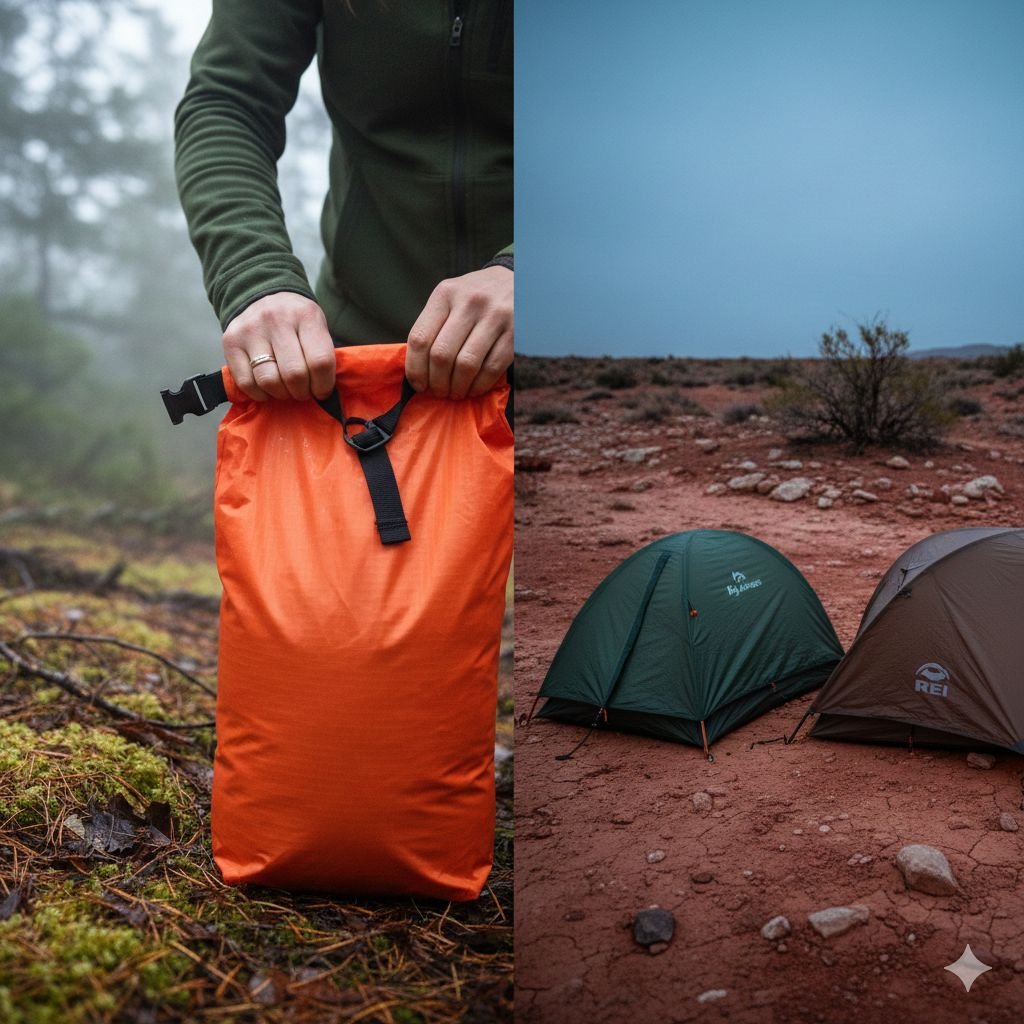
Whether you are hunting in the damp Maine woods or camping in a chilly Utah desert, keeping your gear dry is a game-changer. I’ve spent years testing setups from REI and Big Agnes, and I’ve learned that a dry tent is a warm tent. Let’s talk about how to keep that moisture outside where it belongs.
The Science of the “Indoor Rain” Effect
Before you fix it, you have to know why your tent feels like a swamp by 3:00 AM. It’s all about temperature gaps and lack of airflow.
- Human Breath: You exhale about a pint of water every night.
- The Dew Point: When your warm breath hits the cold tent wall, it turns back into liquid.
- Body Heat: Your skin gives off steam, especially after a long hike.
Pick the Right Spot to Pitch Your Camp
Where you put your tent matters more than how much you paid for it. A bad spot in a humid Florida forest will stay wet no matter what you do.
- Avoid the Low Ground: Cold air and moisture pool in valleys and hollows.
- Look for Trees: Camp under a canopy; it stays a few degrees warmer than the open sky.
- Find the Breeze: Position your tent to catch a light wind to move the air.
- Stay Away from Water: Don’t camp right next to a lake or stream if it’s a cold night.
Master the Art of Airflow and Vents
I used to zip everything up tight to stay warm, but that was my biggest mistake. You need to let the air move, even when it’s freezing outside.
- Keep Vents Open: Most tents from brands like MSR or The North Face have roof vents; use them!
- The Rainfly Gap: Make sure your fly isn’t touching the inner tent body.
- Bottom-Up Air: Leave a small gap at the bottom of the door zip if you can.
- Cross-Ventilation: If there are two doors, crack them both a tiny bit.
Manage Your Gear Inside the Tent
Bringing wet stuff inside is like asking for a flood. I learned this the hard way after a snowy trek in the Rockies when I threw my wet Carhartt jacket in the corner.
- Leave Wet Clothes Out: Put damp gear in a dry bag or leave it in the vestibule.
- Don’t Cook Inside: Boiling water for coffee adds massive amounts of steam to the air.
- Dry Your Feet: Wipe off your boots before you crawl inside.
- Limit the Dogs: I love my lab, but a wet dog is a condensation machine.
Use a Ground Sheet or Footprint Properly
A footprint protects your tent floor, but it can also trap moisture if you use it wrong. It needs to be smaller than the tent floor so rain doesn’t pool on top of it.
- Check the Size: Fold the edges under so no plastic sticks out past the tent walls.
- Vapor Barrier: The ground is always “breathing” moisture; a good floor keeps that out.
- Clean the Bottom: Wipe off the mud before you pack it up the next day.
Dealing with Moisture in the Morning
Even with the best plan, you might see a few drops. It’s how you handle it that keeps your next night from being miserable.
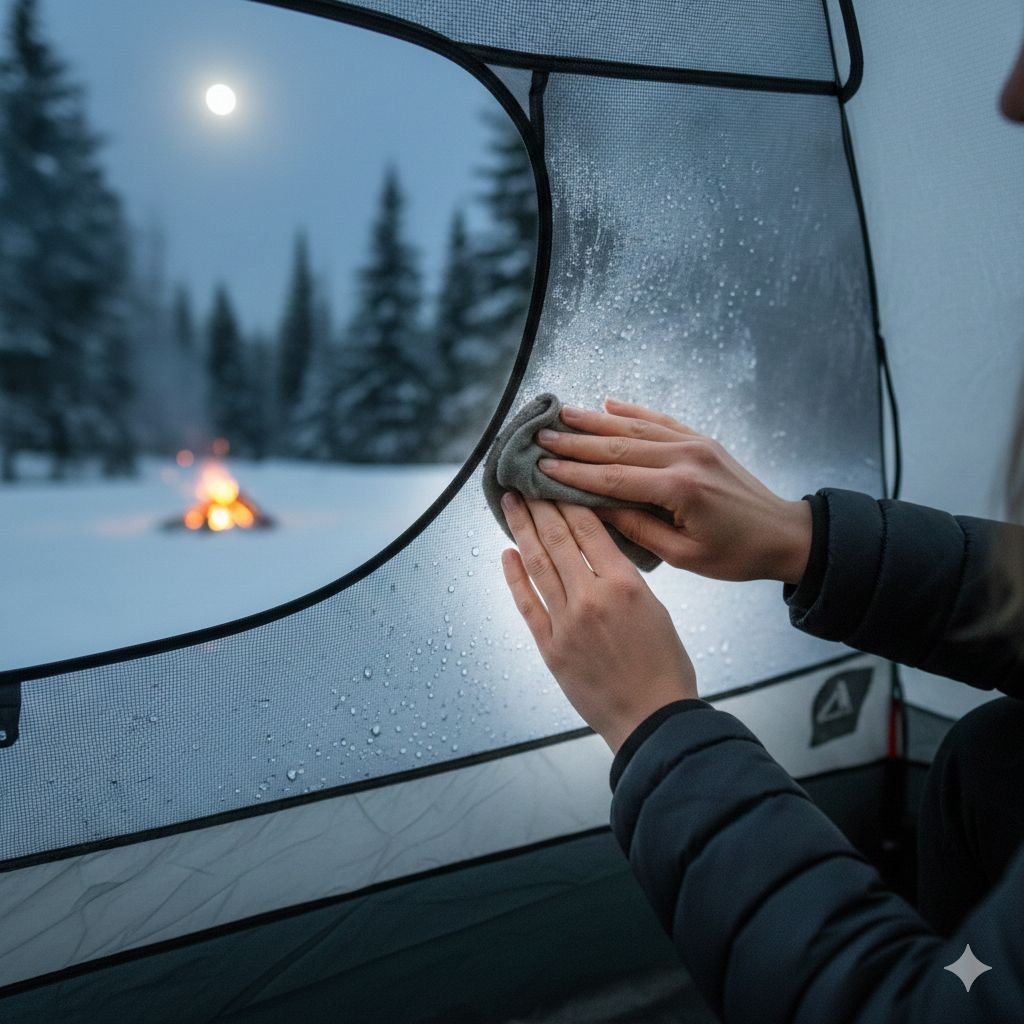
- The Microfiber Trick: I always carry a small pack towel to wipe the walls down first thing.
- Sun-Dry: If the sun comes out, flip your fly over a bush for twenty minutes.
- Shake it Out: Before you stuff the tent in your bag, give it a good, hard shake.
- Store it Loose: Never leave a damp tent in a hot garage in Texas; it will grow mold fast.
FAQs
Does a heater help with tent condensation?
Not really. Most propane heaters (like Mr. Heater) actually add moisture to the air as they burn fuel.
Should I keep my tent door open in the cold?
Yes, a small crack at the top helps. It lets your warm, wet breath escape before it hits the walls.
Why is my tent wet even when it didn’t rain?
That is condensation. Your breath and body heat turned into water when they touched the cold fabric.
Do expensive tents get less condensation?
Better tents have better vents. Brands like Deuter or Nemo design “high-low” venting to move air more effectively.
How can I dry a tent fast?
Use a small chamois or microfiber cloth. Wipe the inside walls before you even get out of your sleeping bag.